
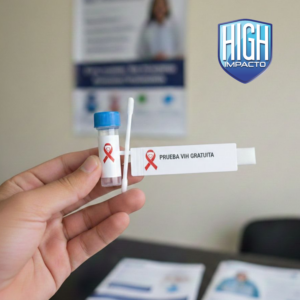
At our nonprofit organization, we are committed to the health and well-being of everyone. We understand that knowing your HIV status is essential for making responsible and healthy decisions. That is why we offer completely free HIV testing, ensuring access, confidentiality, and professional support throughout the process.
Why is it important to get tested for HIV?
Knowing your HIV status is the only way to be certain whether you have the virus. If you test positive, you can access treatment that helps you live a long and healthy life and protect your partners. If you test negative, you can take steps to prevent infection and maintain your health.
Who should get tested?
The Centers for Disease Control and Prevention recommend that everyone between the ages of 13 and 64 get tested at least once. In addition, people who have engaged in higher-risk behaviors—such as having multiple sexual partners, sharing needles, or having sex with someone whose HIV status is unknown—should get tested more frequently.
How often should I get tested?
If you have had a recent exposure or practices that increase your risk of HIV, it is recommended to get tested at least once a year or according to your personal risk assessment and the guidance of a healthcare professional.
What types of tests are available?
There are three main types of HIV tests:
•Antibody tests
•Antigen/antibody tests
•Nucleic acid tests (NAT)
Each type detects HIV at different stages after exposure.
What do my results mean?
A positive result requires a confirmatory test and medical follow-up. A negative result may mean you do not have HIV; however, if the test was taken soon after a possible exposure, it is recommended to repeat the test after the so-called “window period.”
We invite you to come forward without fear or judgment. Getting tested for HIV is an act of self-care and responsibility toward your community. In our organization, you will find a safe, respectful, and professional space to take care of your health. Your health comes first!